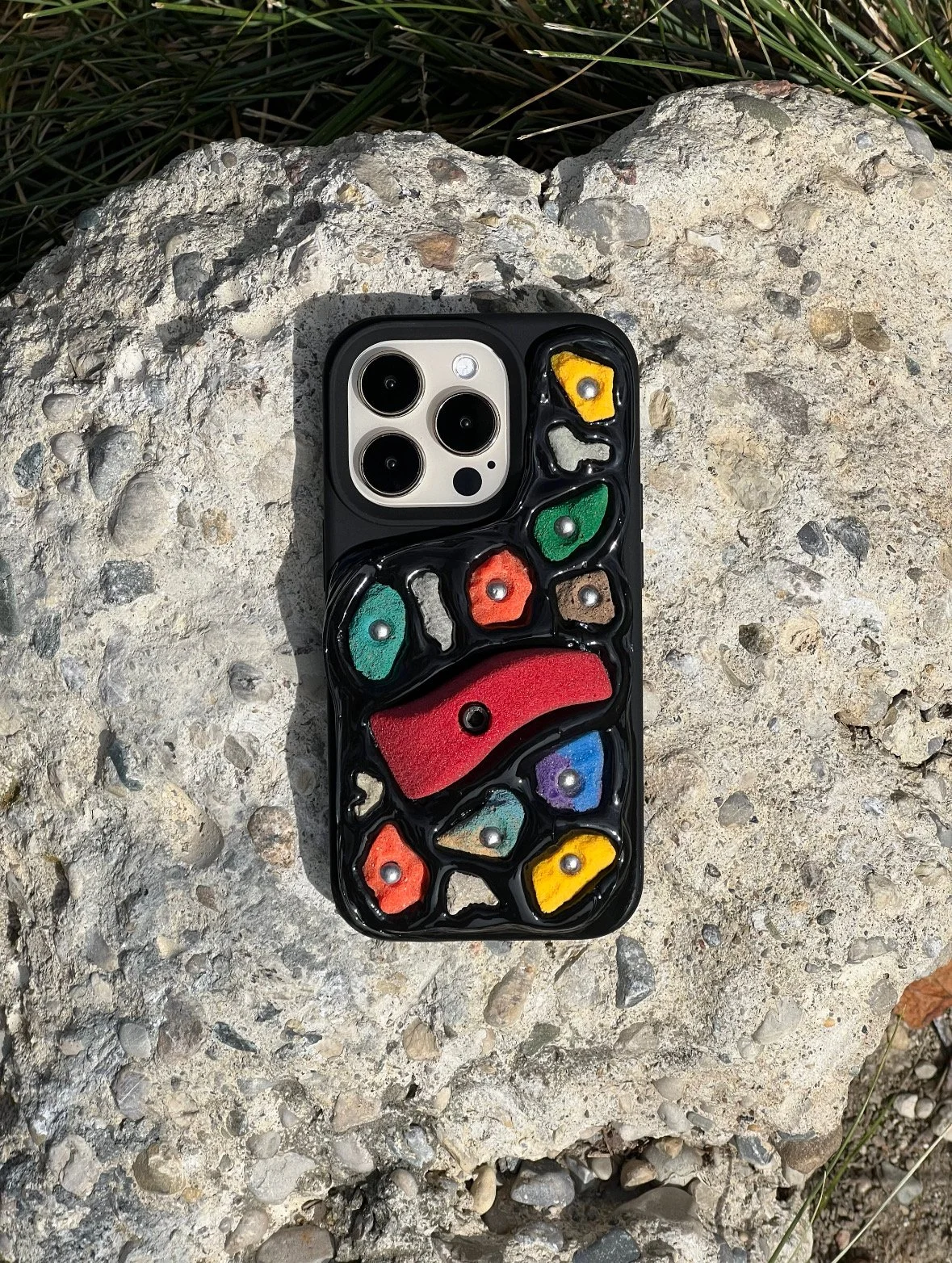
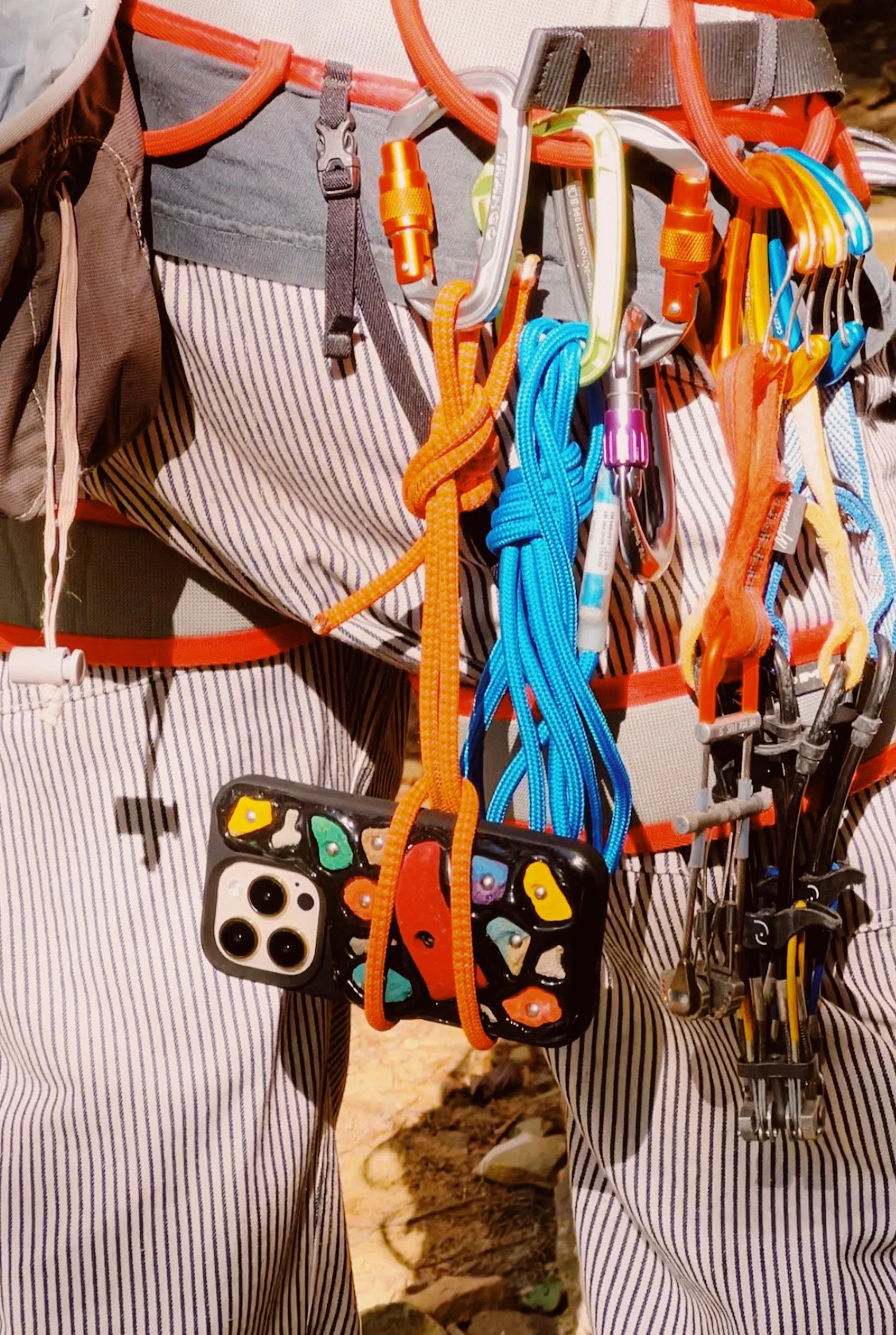
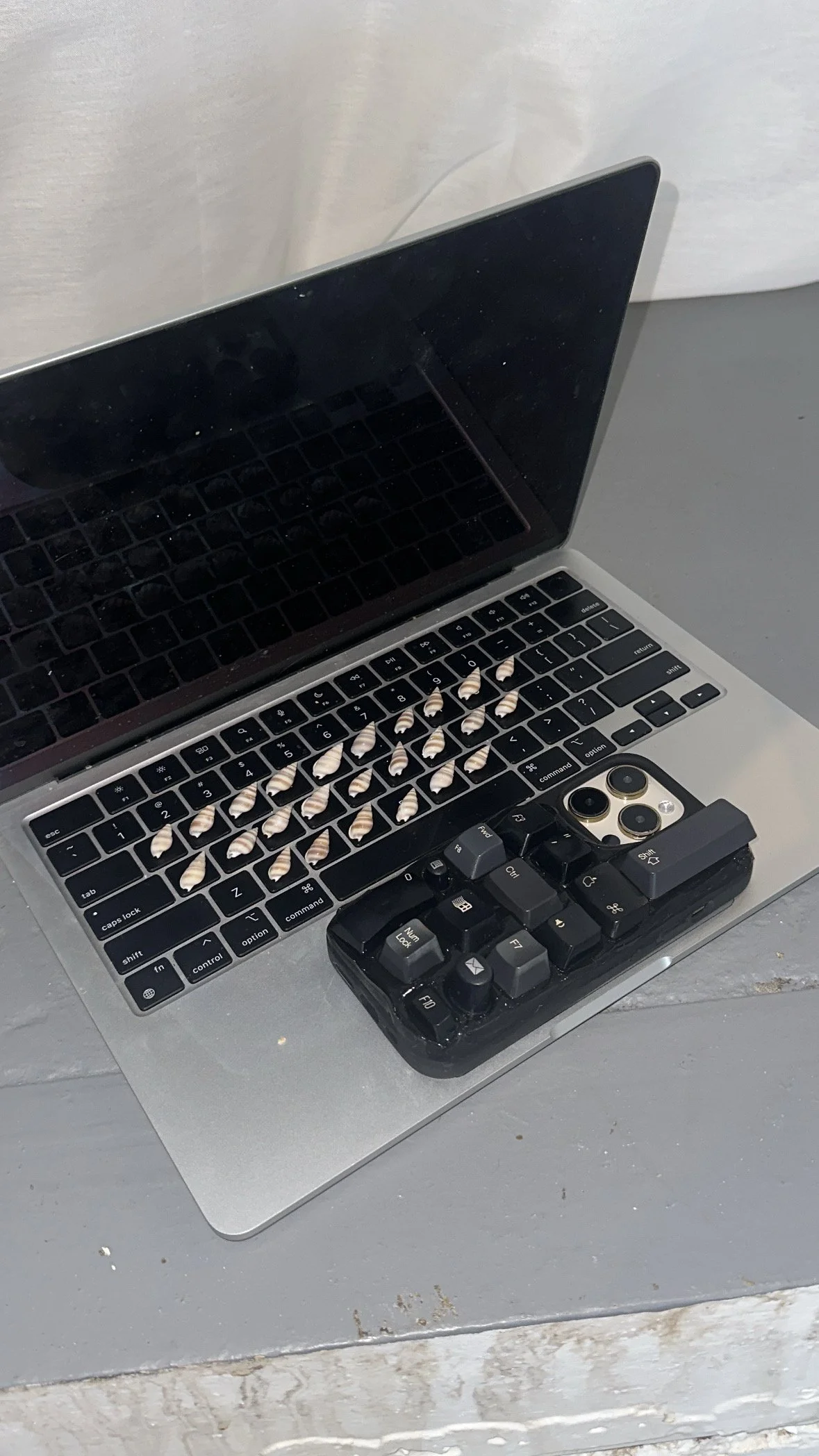
Maxine Midtbo is a multidisciplinary artist working between sculpture, installation, and object. Her brand, MEMOR, offers bespoke phone cases that serve as both art objects and bespoke items for daily use. She works with clients to create mosaic phone cases with personalized objects or designs. While the look of her work has been duped many times, her particular way of hand-making each piece ensures that a mass production would be very difficult to scale beyond its current size, keeping it rooted in her art practice and relatively safe from a corporate scale IP theft. Her work also extends to home goods, including mirrors, vases, and chairs. She seamlessly transitions between admiration and utility, often occupying both spaces equally. As an artist she intentionally side-steps categorization. Maxine is someone with a seemingly endless supply of ideas and a drive to bring the right ones to life. While unencumbered by limitations, the cohesiveness of her world-building is often the most captivating aspect of her work.
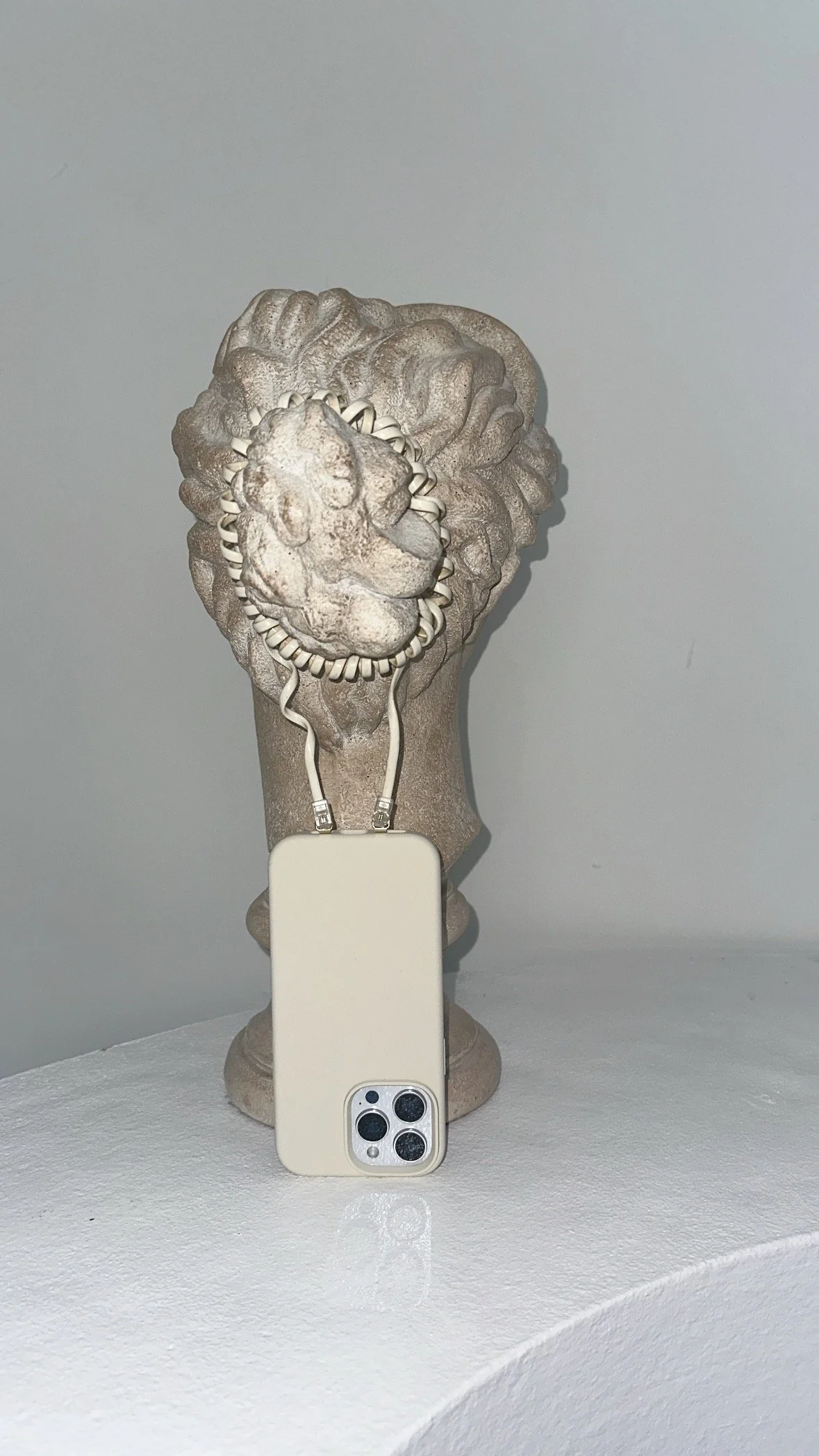
Interview by Egan Parks
Your practice encompasses both creation and curation. It feels like you draw inspiration from both, and they clearly influence each other. Do you find yourself consciously switching off one part of your brain to delve deeper into the other, or do they operate in tandem?
Ideally, they work in tandem. I don’t believe it’s coincidental that my practice begins with curation: the collection of small, found objects or the unveiling of narratives that initiate the creative process. When I stray too far from one side, I become imbalanced. Excessive curation can become materially bound, detached from reality, overly referential. Conversely, excessive creation can become uninformed, disconnected, without lineage, and heady.
Through my object-based work and the intentional creation of spaces, I rely on the interplay between curation and creation to reveal something novel that evokes nostalgia or is rediscovered through interpretation. I find the most magic in my practice when I can effortlessly oscillate between the two.
Curation can also sometimes become self-referential. I can draw inspiration from my own inventory of objects created or narratives that have emerged as a result of our collective experiences.
For Tie Sofa, the form draws inspiration from a traditional Thai pillow, but also from an unfinished idea I started over a decade ago. It’s a form of internal curation, revisiting, and reworking, allowing something unresolved to resurface in a new context.
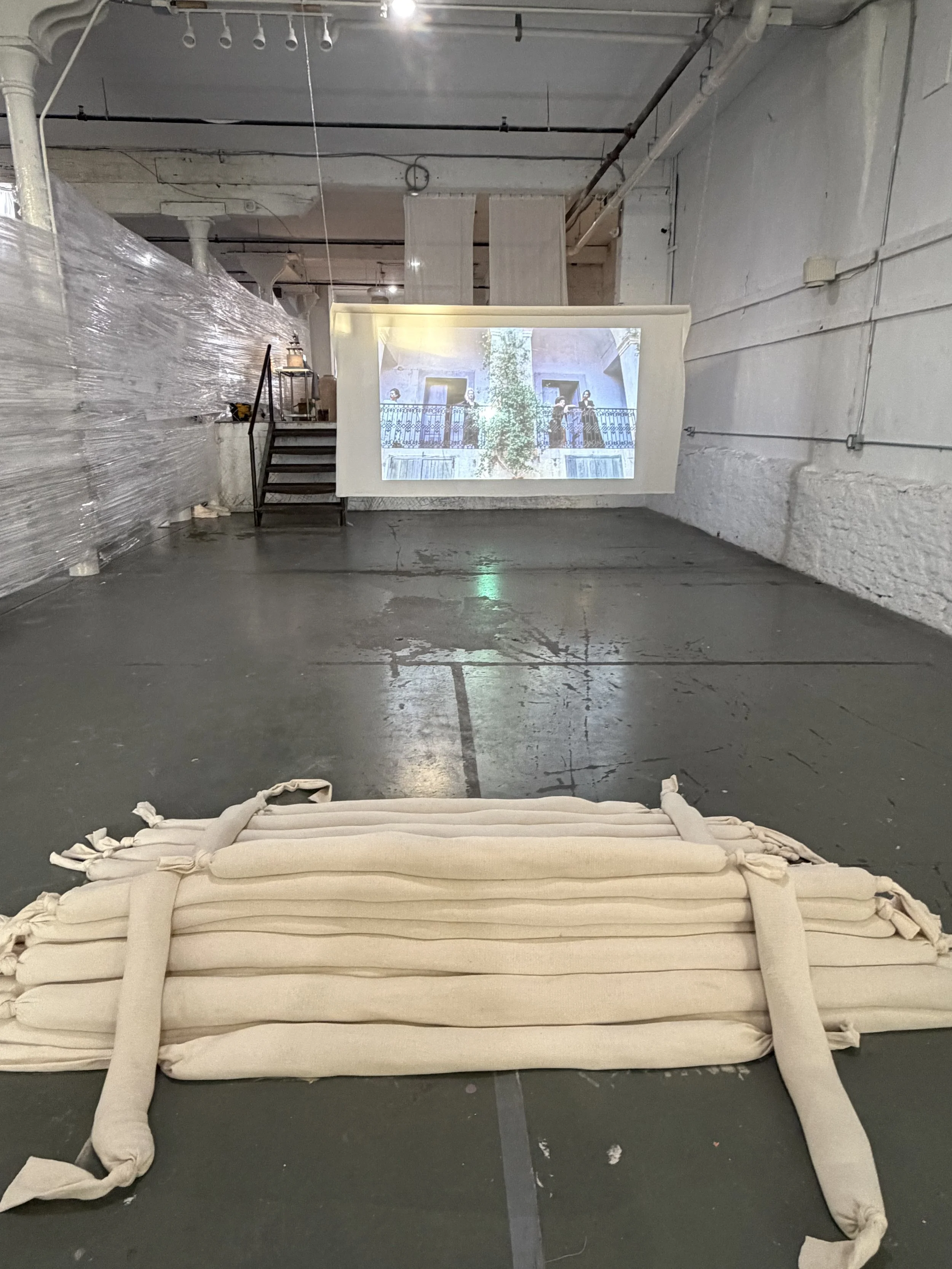
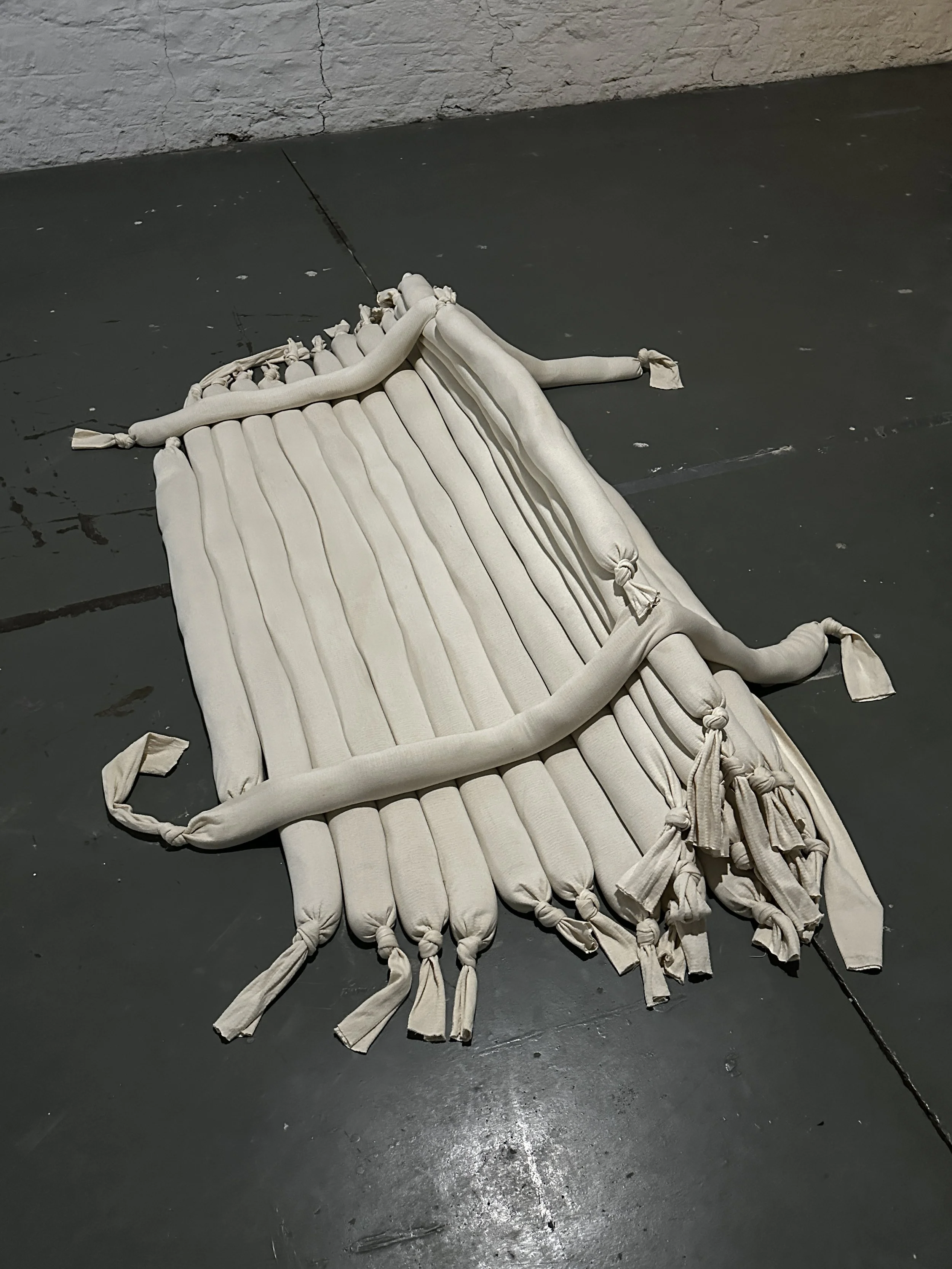
What kind of work or ideas do you feel most moved by? Do these inspirations influence not only your art practice and thinking but also your product-based pieces like the phone cases?
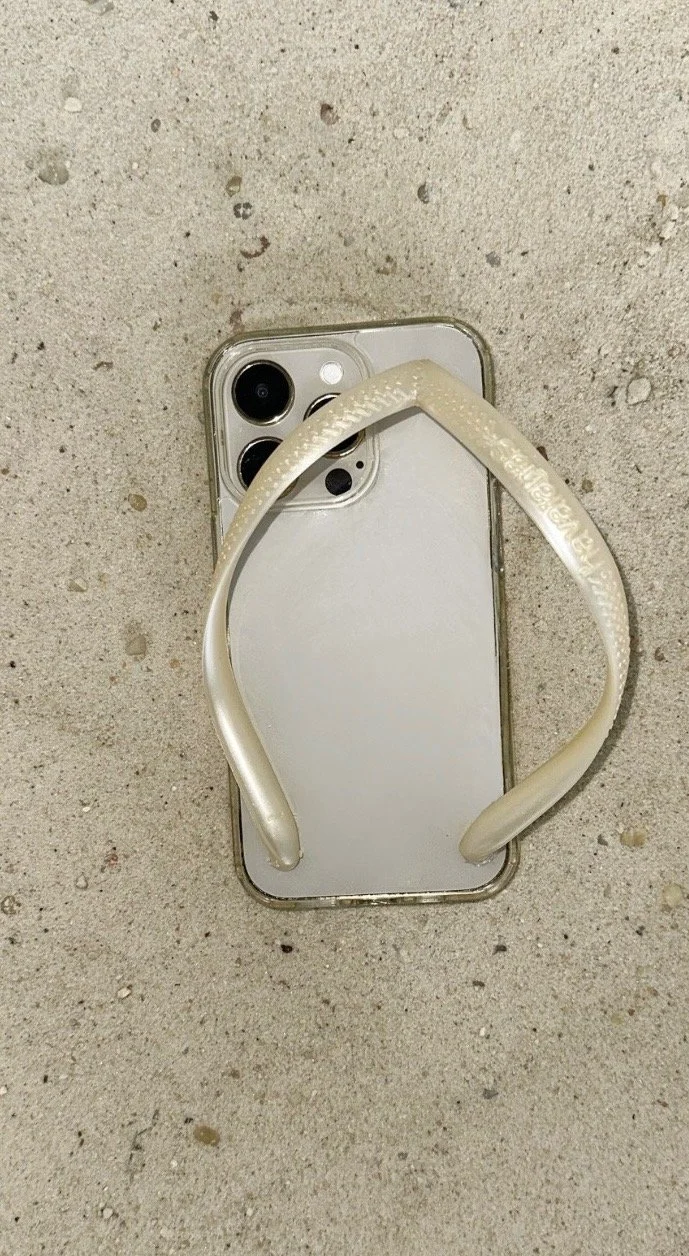
At this point, I’ve spent seven years world-building around my interpretation of mosaics, which has led to many side quests. One of the most notable ones has been my contact with technology, specifically our phones, through the phone cases I create. This direction was unplanned and completely unpredictable. Initially, it felt like a deviation from my other work, but I’ve found endless inspiration in exploring the space between nostalgic art d’objet and our phones. The phone is a universal object that most of us carry, and it connects us. When we look back at old technologies, they share similar forms and functions with new technologies. In creating bridges between time and space, they connect us all. They serve as a medium for storytelling.
It really feels like the phone cases walk a line between obsurd and something that might actually be of interest to someone commercially. Some lean more in one direction thatn the other.
Does “do not sit” work in a similar way as the phone cases?
The chair is a ubiquitous and old technology we encounter in our daily lives. In the installation “do not sit,” I used phone cords as a weaving material, a unifying fiber. I enjoy playing with function as a medium, referencing it in design without letting it become a constraint. I don’t want to be bothered by making something overly practical; instead, I prefer to stay impractical and playful, with a touch of punny humor.
How about incorporating your practice into functional spaces like homes and interiors? I know that also interests and inspires you. How do you approach thinking about that?
Currently, my preferred canvas for exploration is my home. Three years ago, I purchased an 1896 Victorian house, and it has served as an endless source of inspiration and a constant motivator. Creating objects for the home and then designing spaces around them to tell a story has become an extension of my artistic practice. It feels like yet another side quest, but the reality is that I’m completely engrossed in it, and there’s no choice but to fully immerse myself in this new medium.
The proverbial deep end swim.
I’m once again a beginner when I use this medium, but it taps into familiar instincts: collecting, arranging, and reinterpreting. I let objects hold narratives and spaces become compositions. I’m calling this practice Basic Hiatus. The name reflects our physical and instinctual needs for a resting space and the long pauses we take along the way as we gradually build it into something more—a home, a sanctuary, a vessel for living.
You also collaborated with us for two of our release events, hosting them at your studio and working with Elizabeth, report’s artistic and fashion director, on designing and tailoring the space. These events were incredible. The space and experiential component of the night were equally as unique as the issue itself. It truly added a whole new layer that you had to be there to enjoy.
Creating space outside of the home allows my instincts and inclinations towards installation to shine through. Collaborating on the two activations for the report magazine release parties was a special opportunity to create a unique container for a very specific experience. It’s a shift in scale and temporality. Permanence isn’t a consideration here, as it is for living space. Instead, we get to consider how we might create an immersive, atmospheric interpretation of both brands that fosters interaction and presence through both brand worlds.
So, how do you navigate these multiple avenues of your practice? It’s always impressive and inspiring to see it done so cohesively. It feels effortless from the outside looking in, but I know it’s not.
It can be challenging at times to juggle various mediums, avenues, skill sets, and prioritize my time effectively. However, I’ve discovered that each side project has influenced and enriched the others, making them feel like genuine extensions of my artistic and aesthetic identity. I try not to get overly focused on creating a comprehensive description for all my mediums and simply keep moving forward.
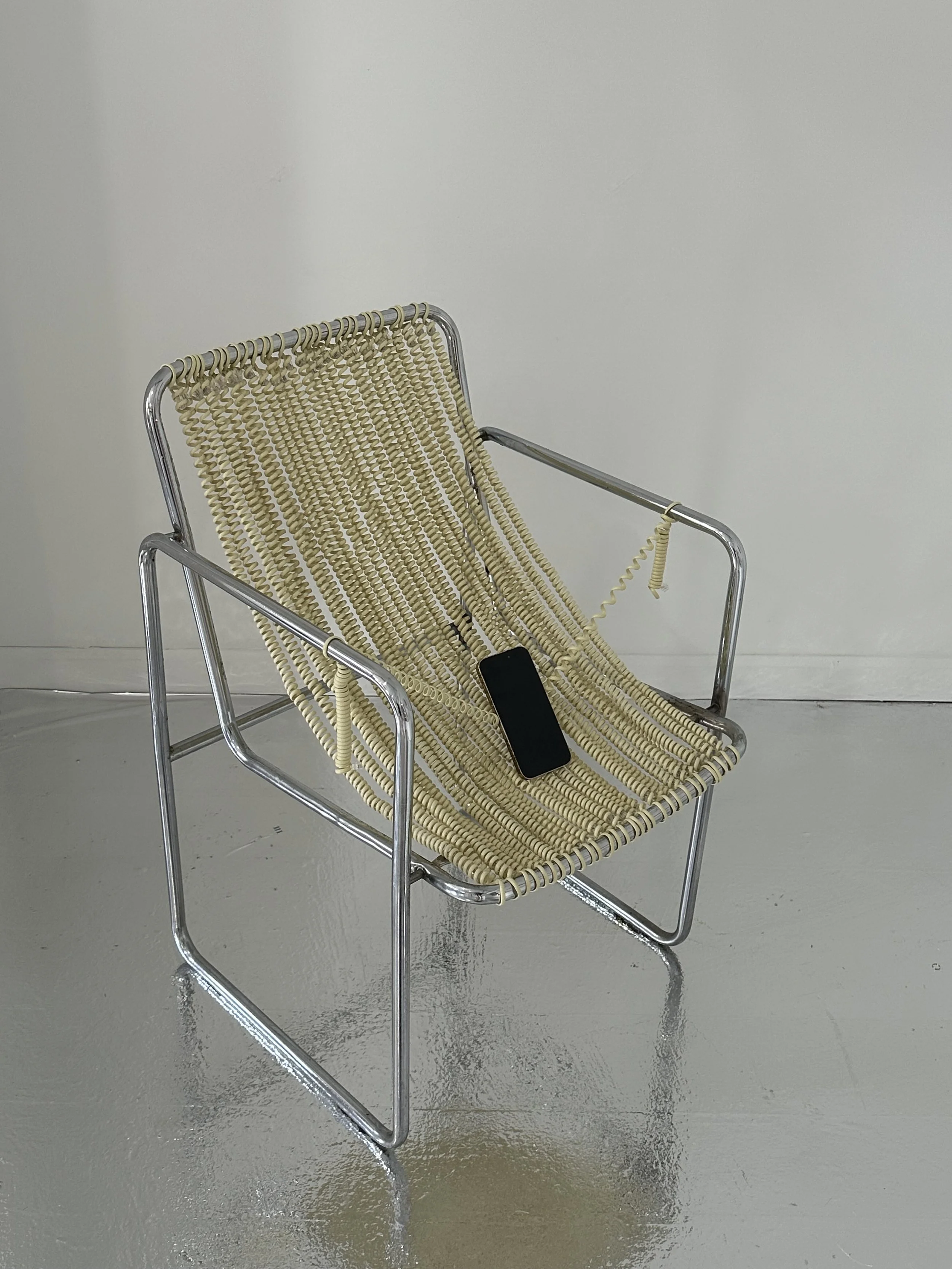
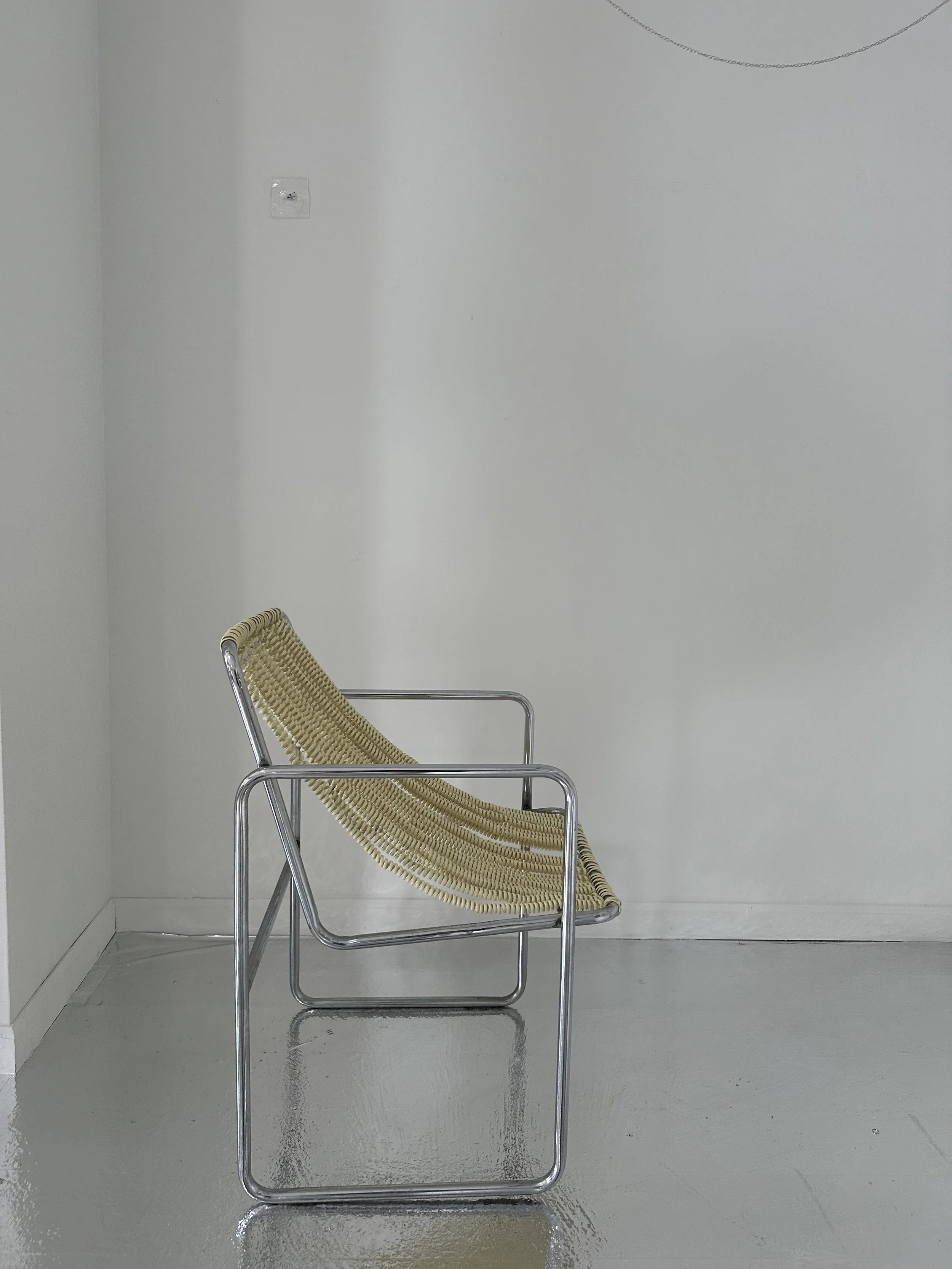
Do Not Sit. 2025